General inspection
Heating, cooling, electrical, ventilation and plumbing; walls, ceilings, floors, windows and doors; foundation and structure. It's a visual, surface-level inspection — it can't see what's hidden.
Home inspectors →Buyer guide
What gets inspected, which extra inspections are worth it in Athens and Northeast Georgia, and how to make the most of yours — all before your due diligence deadline.
The basics
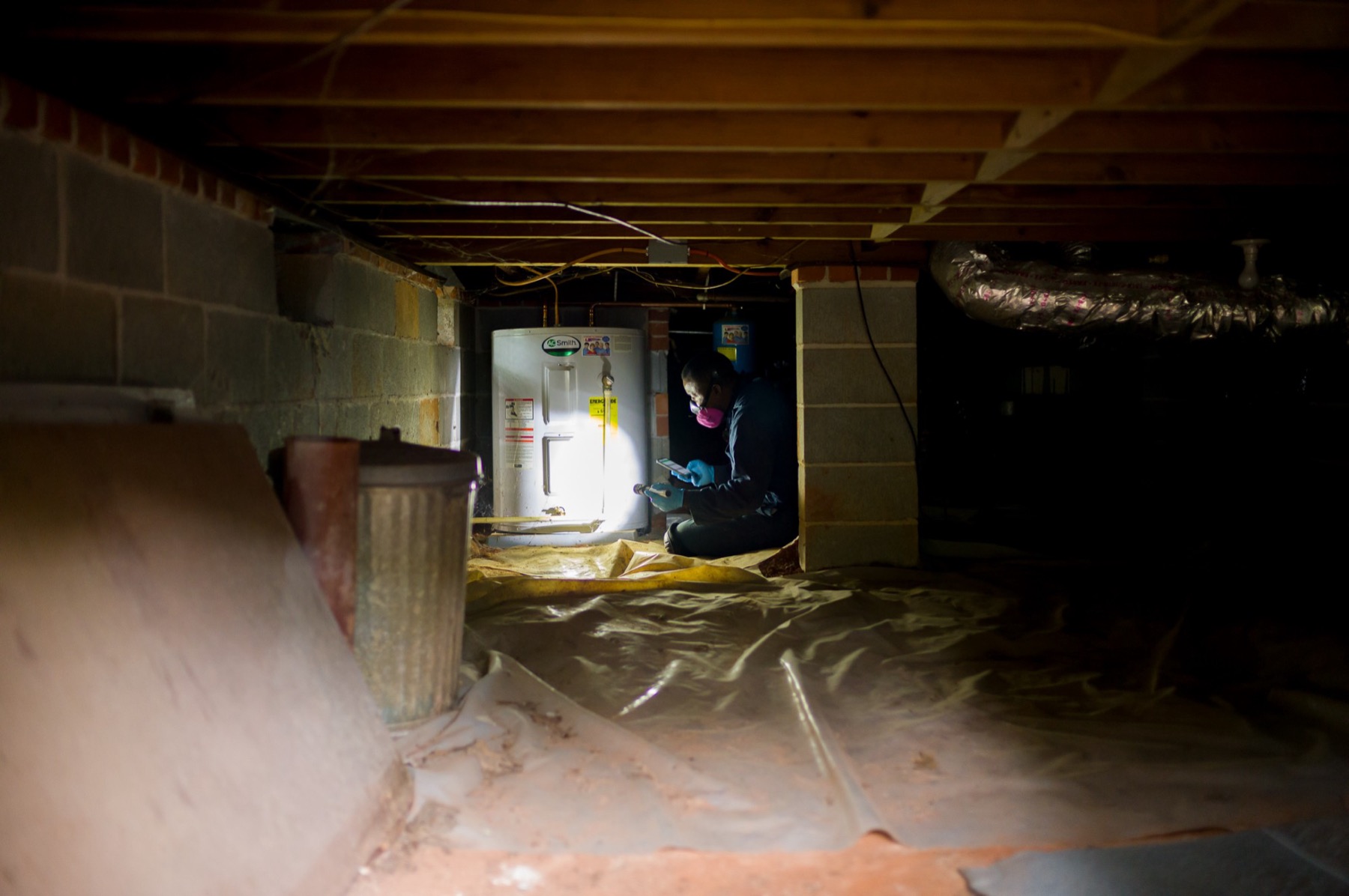
We recommend a professional inspection on every home — resale or new construction. It should cover the appliances, plumbing, electrical, heating and air, attic, ventilation, roof, and foundation. It won't list every minor defect; the inspector is looking for problems to fix now or soon. Some lenders do require certain repairs before funding.
Georgia doesn't license home inspectors, so quality varies a lot by company and inspector — trusted recommendations matter. Book quickly: the best inspectors are booked days out, and everything must happen before your due diligence deadline.
Be there if you can. You'll understand the report better, see the home through an expert's eyes, and get the chance to look behind furniture and under rugs.
New construction too: even after passing county inspections, new homes often have issues like improperly installed windows, pinched air ducts, or missing crawlspace vapor barriers.
Inspection day
Your Georgia Move agent attends your home inspection alongside you. We'll walk the home with your inspector, help you sort true concerns from routine maintenance, and start planning your repair requests while everything is fresh.
Types of inspections
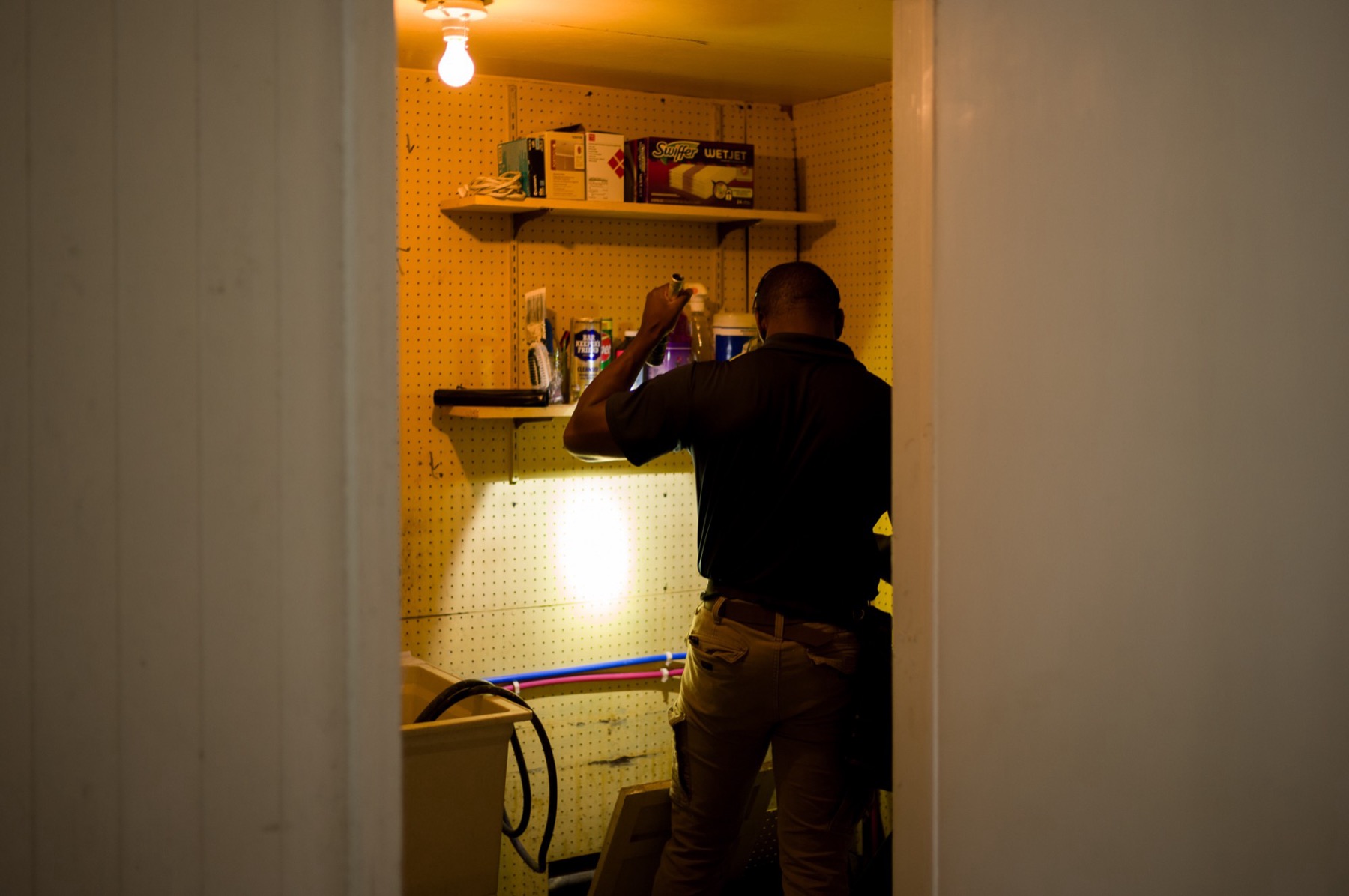
A general inspection is the starting point. Depending on the home's age, systems, and what the inspector finds, these specialty inspections can save you thousands.
Heating, cooling, electrical, ventilation and plumbing; walls, ceilings, floors, windows and doors; foundation and structure. It's a visual, surface-level inspection — it can't see what's hidden.
Home inspectors →In Georgia, the question isn't if a home will get termites, it's when. Many inspectors include one at no extra cost. Also review the home's current termite bond.
Pest control →A naturally occurring gas and a leading cause of lung cancer. Most common with basements, but found over crawlspaces and slabs too. The only way to know is to test — and it's fixable.
Radon testing & mitigation →A camera is run through the main sewer line to the street, revealing tree roots, cracks, sags, or crushed pipe. Strongly recommended for older homes — see below.
Plumbers →Recommended when a home has cast iron, lead, galvanized, or polybutylene supply or drain lines.
Plumbers →Roots and heavy vehicles can do thousands in damage. An inspector checks the tank and drain field. Get the system drawing from the county's environmental health office.
Septic companies →Public water is tested regularly; private wells aren't. Pick up a test kit from your county extension office, and consider a well inspection for its condition and lifespan.
Well service →We recommend one for homes with cloth wiring, ungrounded outlets, or fuse boxes — all common in older Athens-area homes.
Electricians →A general inspector only checks that the system heats and cools. If you're worried about replacing it, have an HVAC company evaluate it.
Heating & air →Sun, shade and trees age a roof as much as years. Worth a roofer's look if it's over 10 years old or showing wear.
Roofers →For foundation cracks, water in the basement, or uneven floors or terrain. Done by structural engineers and foundation/waterproofing companies.
Structural engineers →Moisture can get behind synthetic stucco and cause severe structural damage. We strongly recommend a certified stucco inspection on every stucco home.
Stucco inspectors →Never assume a chimney works. A technician checks the structure, flue, connections, and for obstructions or combustible buildup.
Chimney services →Recommended if you smell mustiness, and especially if anyone in the family is sensitive to mold.
Mold remediation →Lead paint was banned in 1978. An inspector can sample paint in older homes and have it lab-tested.
EPA guide ↗The only true way to know your boundaries — essential before a fence. Without a new recorded survey, parts of your title insurance may not apply.
Surveyors →MLS figures and our 360° scan measurements (generated by AI) aren't guaranteed. If size matters, have the home measured by a licensed Georgia appraiser.
Appraisers →If something matters to you, it can be inspected. Tell your agent what you're concerned about and we'll help find the right specialist.
Ask your agent →Older homes
Many homes around Athens were built decades ago — often with clay, cast iron, or even Orangeburg (fiber) sewer lines — and surrounded by mature trees. Over time, roots find their way in, joints separate, and pipes sag or collapse. None of that shows up in a general inspection, and replacing a main line can run into the thousands.
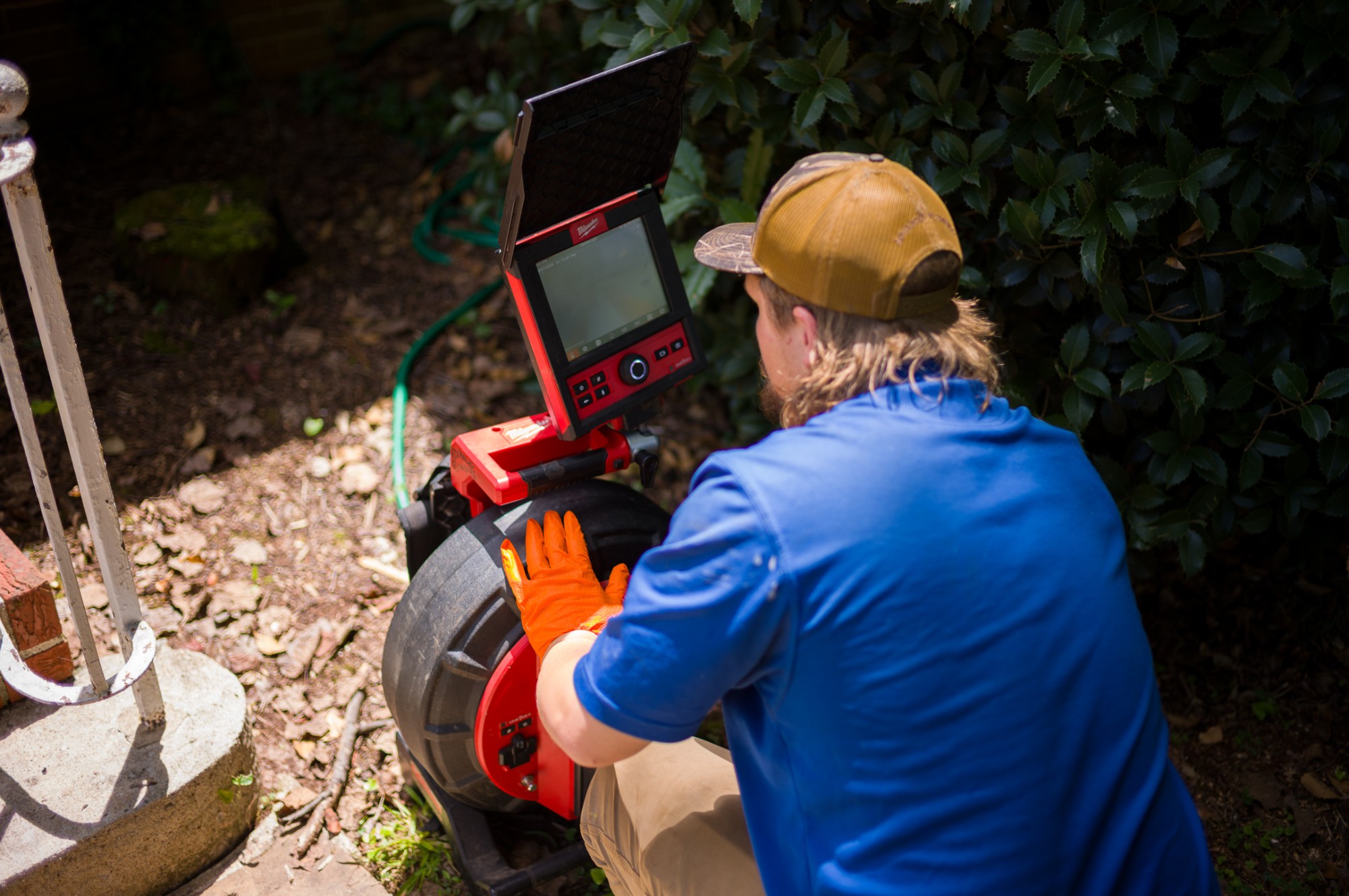
A plumber feeds a camera from the cleanout to the street and records the whole run, then uses a locator on the surface to pinpoint the depth and location of any problem. You'll see exactly what you're buying — and have video to support a repair request before your due diligence ends.
After the inspection
Your inspector will find items to repair or maintain on every home. Decide what matters, send your agent your "needs & wants," and we'll negotiate repairs or a credit — all before your due diligence deadline.